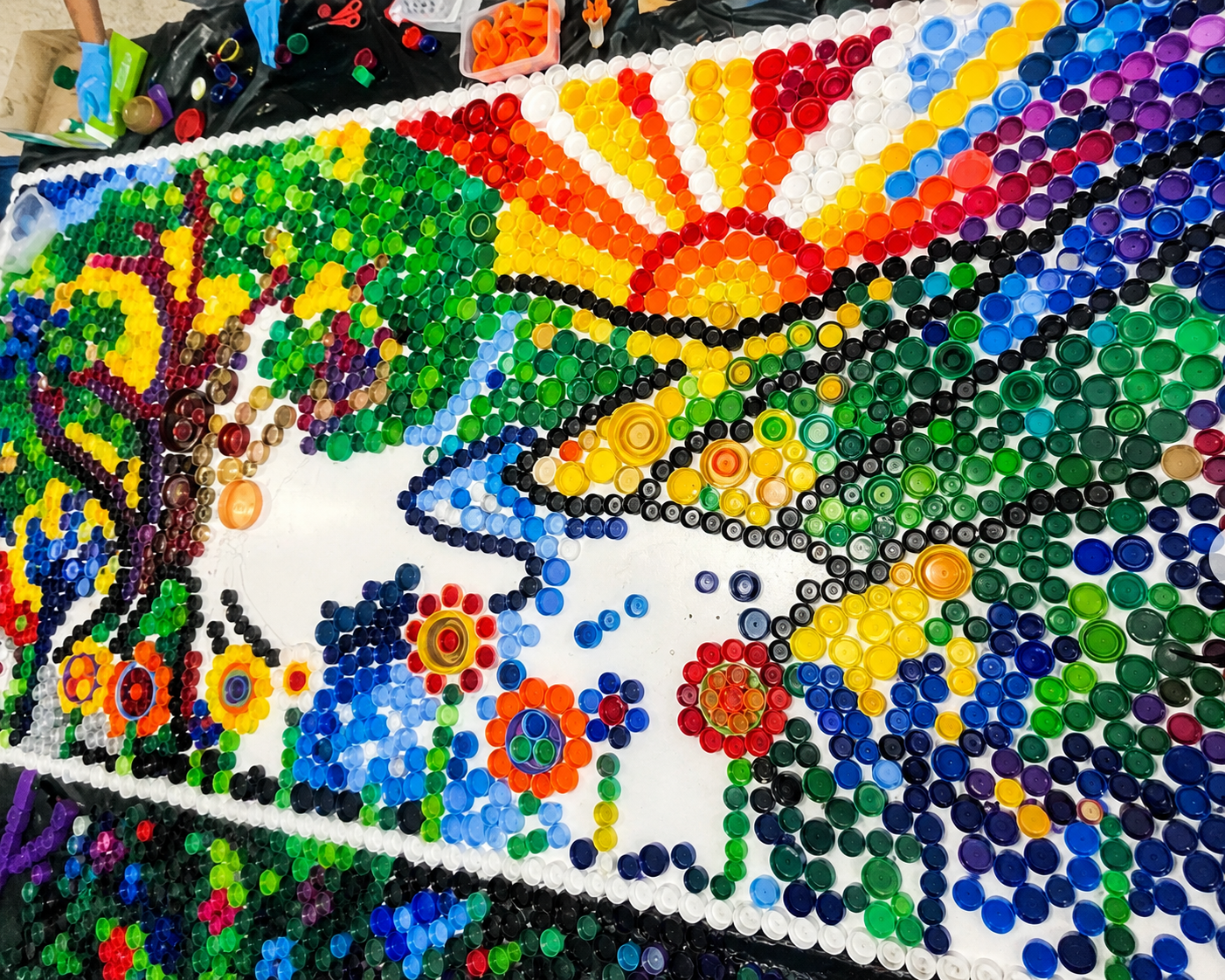
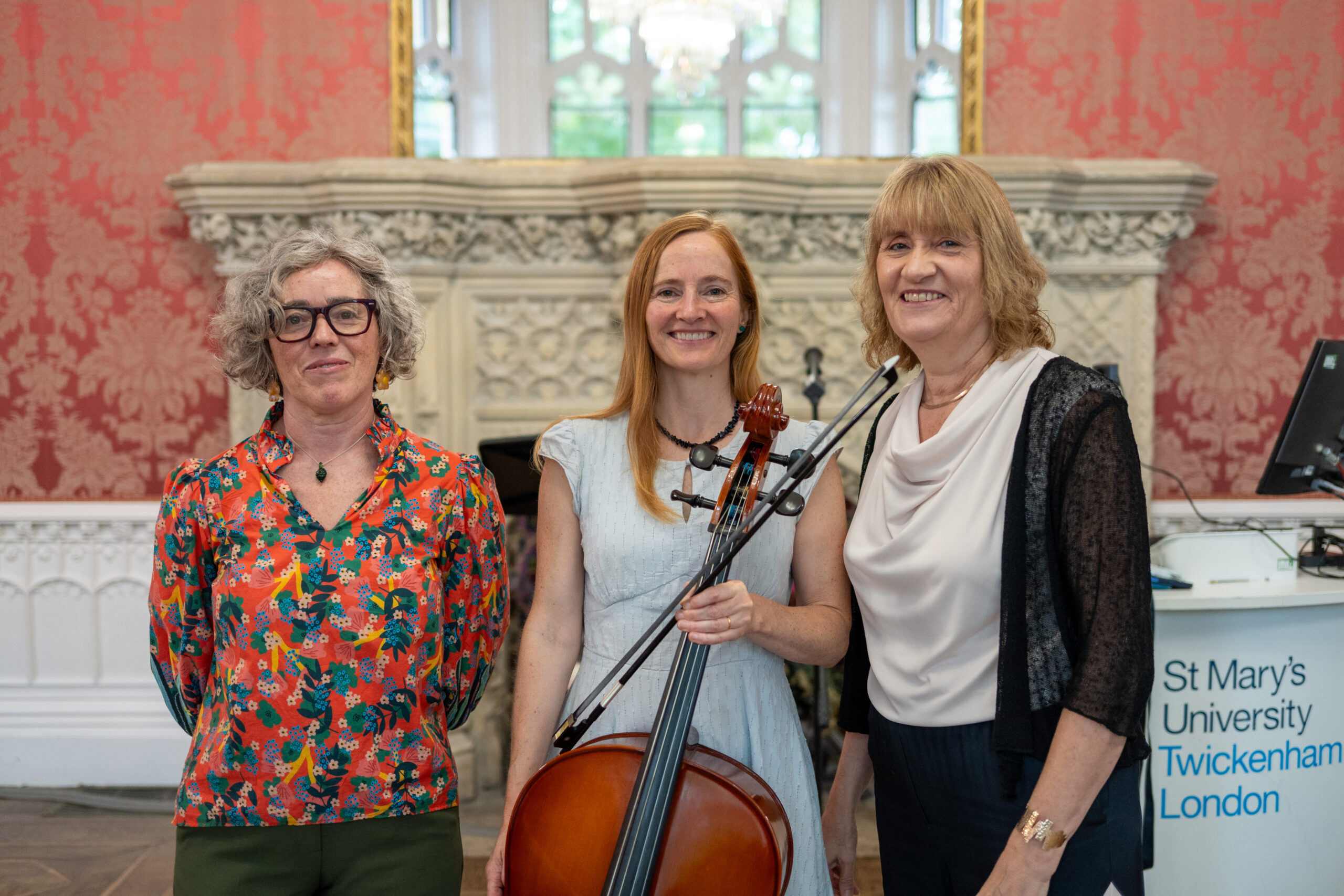
Research into music therapy at Caritas Bakhita House has found that music can provide women recovering from modern slavery and human trafficking with a safe space to express themselves, regain a sense of agency and develop lasting strategies for emotional wellbeing.
New research into the role of music therapy in the recovery of women who have survived modern slavery and human trafficking was presented on Monday 14 September at St Mary’s University, Twickenham.
The three-year evaluation, commissioned by Caritas Bakhita House and undertaken by the Bakhita Centre for Research on Slavery, Safety and Social Justice at St Mary’s University, examined how women experienced music therapy as part of the trauma-informed support provided at the safe house.
The research involved interviews with 13 women who had experienced modern slavery and human trafficking, alongside observations of life at Bakhita House. The music therapist, Daisy Vatalaro, also contributed reflections based on her work with 45 women during the study period.
The evaluation identified four key themes:
- Music therapy as a space for safety, freedom and agency
- Music therapy as a means of emotional regulation
- Music as an enduring resource for self-care
- The importance of musical biographies, including questions of access, belonging and identity
For the women who took part, the impact of music therapy was not simply about learning to play an instrument or making music. Participants described music as something that could help them process emotions, make choices, reconnect with themselves and find resources they could continue to use after leaving Bakhita House.
One participant, Zola, described how music had changed the way she approached difficulties in her life:
“If not that way, I can choose another way.”
She also described the effect of music therapy more broadly, saying:
“This kind of therapy made me enjoy life more than ever.”
Another participant, Quý, spoke about the emotional strength she found through singing:
“I sing. I feel very happy, and I had strength to carry on…to love my life now, also love the world and the life in general.”
When asked what she would say to a new guest about music therapy, Quý said it could help women to “release sadness inside” and “love her life in the future”, allowing her to see it as “much brighter than the darkness before”.
The findings suggest that music therapy can offer women opportunities to make choices and express themselves without necessarily having to use words. Participants described music as something they could continue to draw on independently for comfort, emotional support and self-care after leaving Bakhita House.
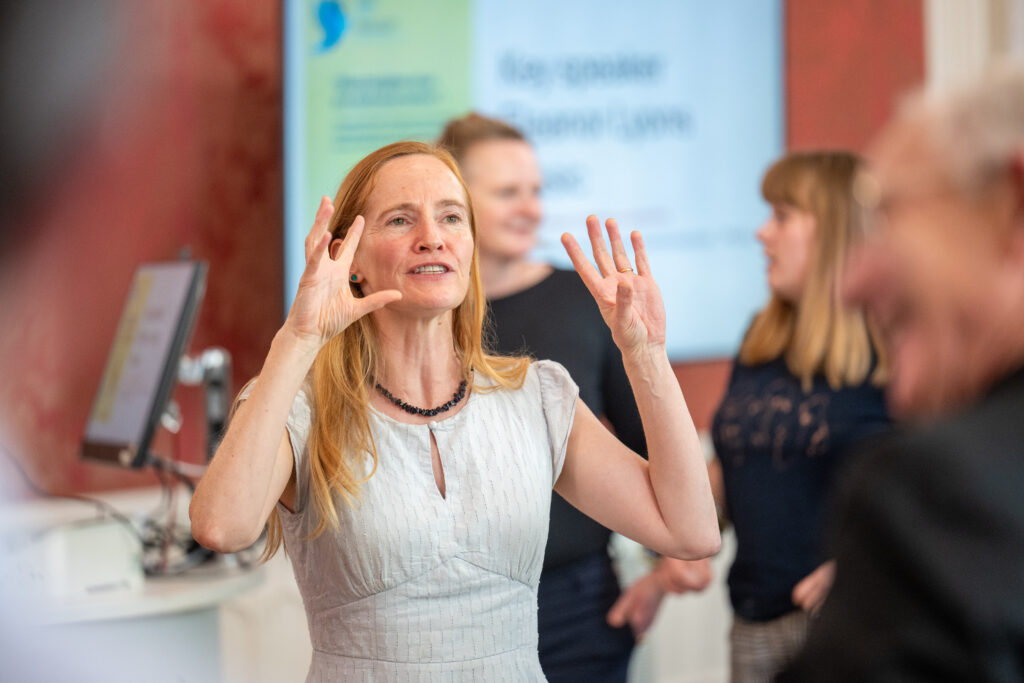
At Caritas Bakhita House, music therapy is delivered through weekly individual and group sessions by a qualified music therapist. Sessions can include singing, songwriting, improvisation, playing or learning instruments, dancing and listening to music. Guests choose whether and how they participate, with the emphasis on their autonomy and preferences.
This flexibility is particularly significant for women whose previous experiences may have involved prolonged periods in which their choices and freedom were taken away. The research found that the therapeutic environment gave participants opportunities to experience autonomy and self-directed engagement.
Music can also offer a way of communicating across linguistic barriers. Guests at Bakhita House speak a wide range of languages, and while verbal conversation can form part of therapy, much of the interaction can take place through music itself.
Daisy Vatalaro, Music Therapist at Caritas Bakhita House, said:
“Music therapy can’t cure everything that these women have been through. But music has a particular power to provide experiences that are very different from what they have suffered. In music, they can regain a sense of joy, pride and identity. They can express how they feel and release it; they can share and interact playfully, freely and confidently; and they can make their own choices and make their presence felt.”
Over the course of the research, music also became a way of bringing the wider Bakhita House community together. Regular communal music gatherings developed organically from an initial celebration in 2023 and have since become part of the house’s calendar.
Women, staff, babies, volunteers, researchers and the music therapist have taken part in singing and playing instruments together. The gatherings have increasingly become participant-led, with women themselves taking the initiative in making music, performing and speaking. The research found that these gatherings created opportunities for communication across languages, mutual support, confidence, belonging and acceptance.
The research was funded by The Karlsson Játiva Charitable Foundation through the Signatur Programme, which supported both the music therapy and the research evaluation.
Caritas Bakhita House was established in 2015 and provides a safe home and specialist support for women who have survived modern slavery and human trafficking. The service is rooted in the values of love, respect, community and spirituality, and welcomes women of all faiths and none. Since its foundation, it has supported women from more than 50 countries.
The evaluation recommends that music therapy should continue at Caritas Bakhita House, alongside further development of the communal music gatherings and additional opportunities to share the learning with organisations supporting victims and survivors of modern slavery and human trafficking.
The report, “Much brighter than the darkness before”: The role of Music Therapy in the recovery of female survivors of modern slavery and human trafficking at Caritas Bakhita House, was produced by Dr Carole Murphy of the Bakhita Centre at St Mary’s University, with Daisy Vatalaro as Music Therapist and contributions from researchers and reviewers at St Mary’s University.