To mark the Feast of St Joseph, Gail Williams, Head of Caritas St Joseph’s, reflects on the service’s work with people with intellectual disabilities in light of Pope Leo’s Apostolic Exhortation Dilexi te.
Love for the Lord, then, is one with love for the poor (Dilexi te, §5)
In Dilexi te, Pope Leo tells us that ‘the condition of the poor is cry that throughout history….. constantly changes our lives, societies, political and economic systems and not least the Church’ (§9). At Caritas St Joseph’s, we are part of this ‘cry,’ as we strive to change pre-conceived ideas about people with intellectual disabilities in the Church and beyond.
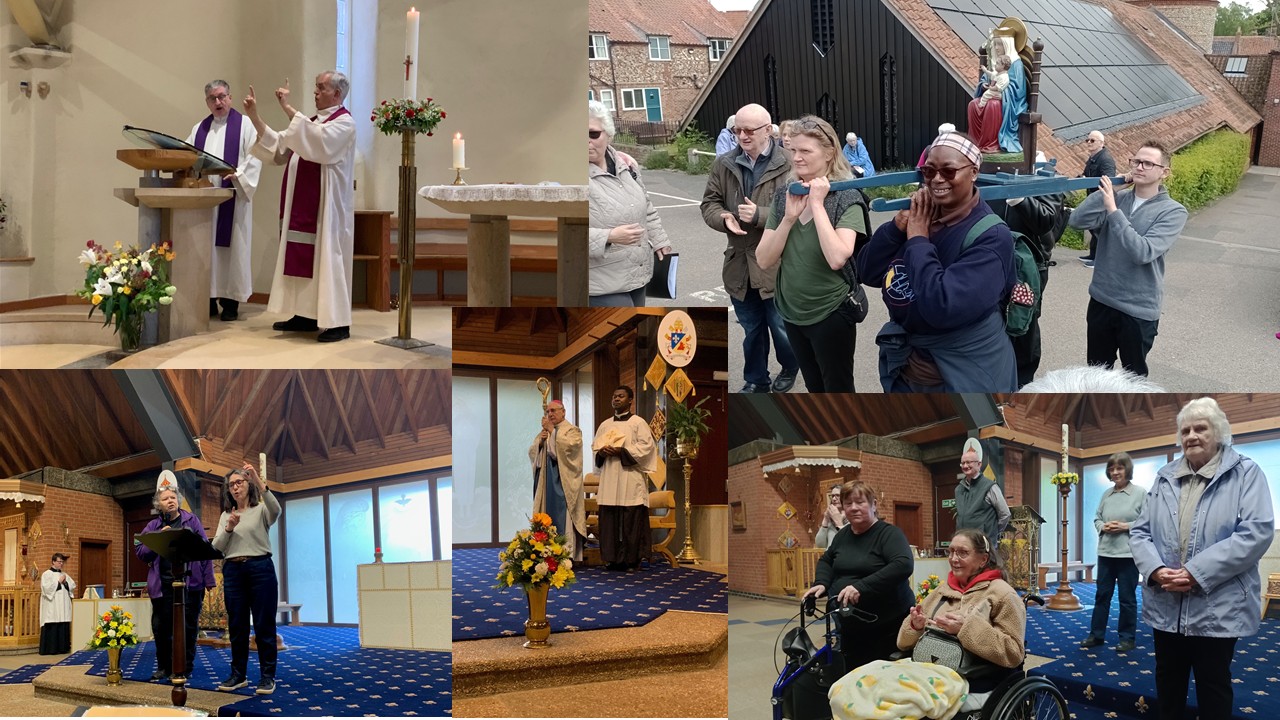
Started as an outreach service in 1977, Caritas St Joseph’s works to bring those on the margins of our communities into the heart of the Church. We do this by organising inclusive liturgies, advocating for inclusion in church communities, and training parishes to offer symbolic catechesis; a form of faith formation that is rooted in Catholic theology and tailored to suit people with additional learning needs. We also run Saturday Clubs in parishes across the diocese, to foster friendship, warmth and welcome.
With the help of countless dedicated volunteers, we walk alongside families humbly and quietly; a service which in turn attunes the wider Church to the gifts that people with disabilities bring to our communities. We are constantly in awe of the unique ways that the Spirit is at work in those we serve; their way of understanding and learning may be different from ours, but they also treasure their faith far beyond most people.
By combining faith and culture, they sow the seeds of the future, honour the image of God and build a better society. (Dilexi te, §72)
At our lifelong learning centre in Hendon and Connect@ Hubs in Hounslow, Feltham and Whitton, we also seek to address the inequalities that people with intellectual and physical disabilities often face when it comes to work.
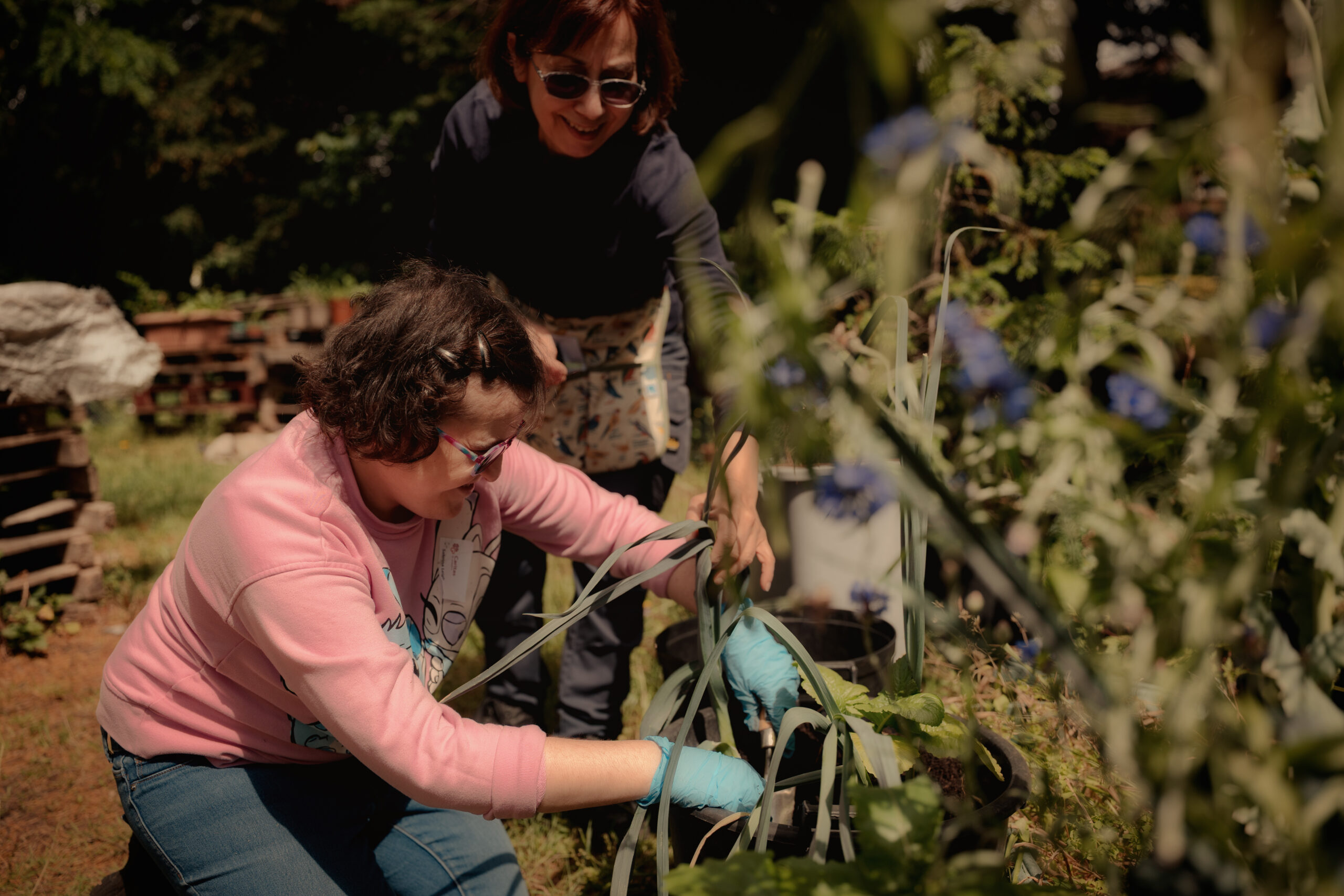
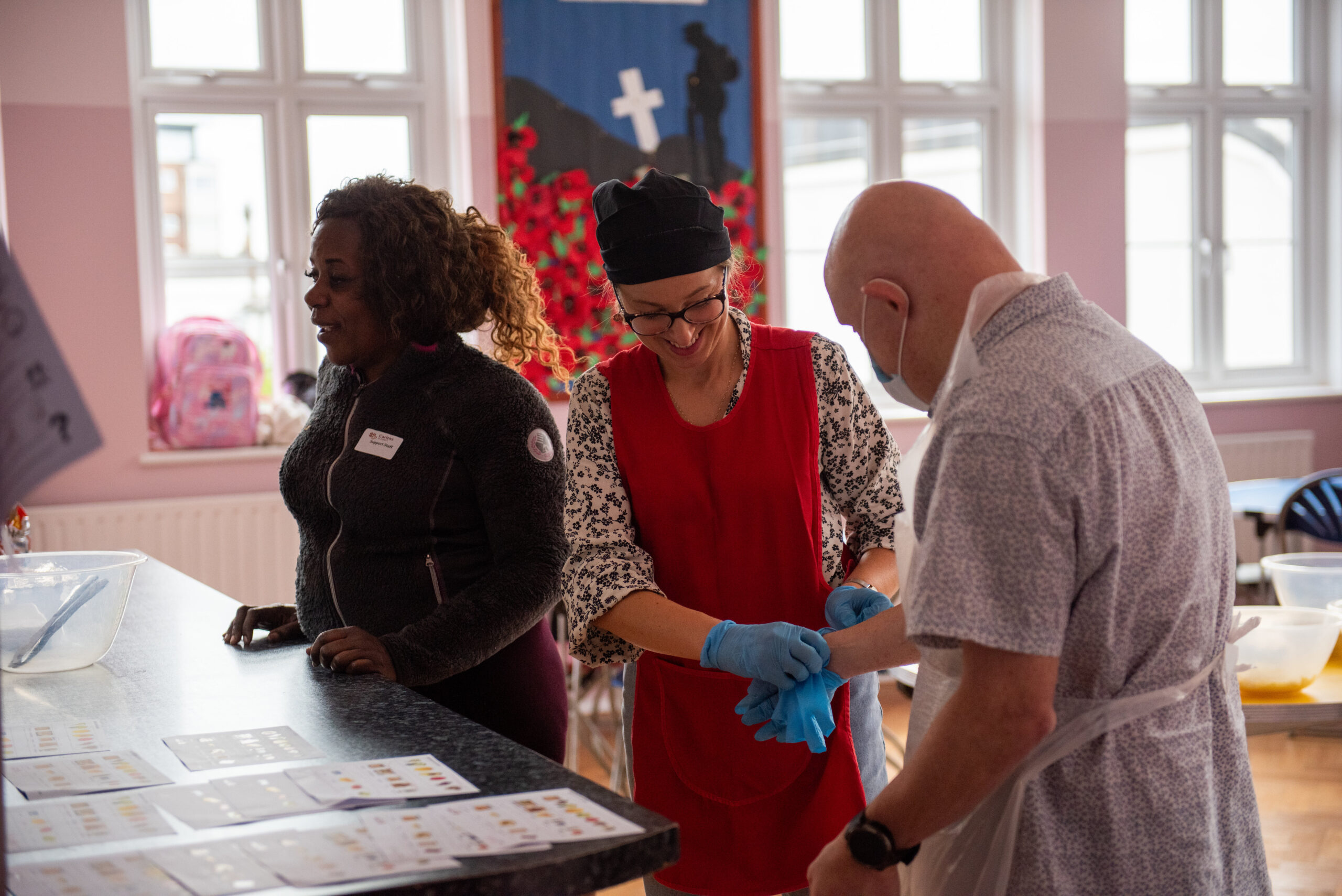
At our centres, students have access to practical skills courses, work pathways and volunteering opportunities, for example in one of our social enterprise initiatives; our gardening service tends parish and private gardens across London, while our ceramics and woodwork enterprises produce and sell high-quality goods.
We also recognise the importance of spirituality, creativity and expression, which is why we also offer a range of courses such as art, dance, drama, music, and more. By creating opportunities for students to lead rounded, fulfilling lives, we are proud to support them to take their rightful place in society.
Our work also helps to instil in our students a sense of their own dignity. This is particularly important as people with disabilities are more vulnerable to abuse and exploitation, and we strive to help our students recognise and take action when others around them are putting them at risk.
A Church of the Beatitudes
Dilexi te asks us to be ‘a Church of the Beatitudes’ (§72), so I leave you with our own Caritas St Joseph’s Beatitudes, which we created to help parishes be more inclusive places for people with disabilities:
Blessed are you when you smile at me
– for then I know I’m welcome
Blessed are you when you look at me with love
– for then I know I am special
Blessed are you when you wait for me
– for then I know I belong
Blessed are you when you walk with me in public places
– for then I know you are proud of me
Blessed are you when you ask me for help
– for then I know I matter
Blessed are you when you are gentle with me
– for then I am sure that I am loved
Blessed are you when you believe in me
– for then I know that I am valued
Blessed are you when you hold my hand
– how else can I feel God’s compassion?